Guides · · 4 episodes
UK Healthcare: Using the NHS, Private Insurance and Delayed Diagnosis
In brief
Four guests share first-hand experience of UK healthcare: the NHS is strong on emergencies and serious illness but slow for minor ailments and waiting lists, while private health insurance buys faster access and choice, roughly £80–£700 a month for adults and from about £50 for students. If diagnosed with a serious illness, find out about your condition proactively, and if your diagnosis or treatment is delayed, keep every record and consider a no win no fee solicitor.
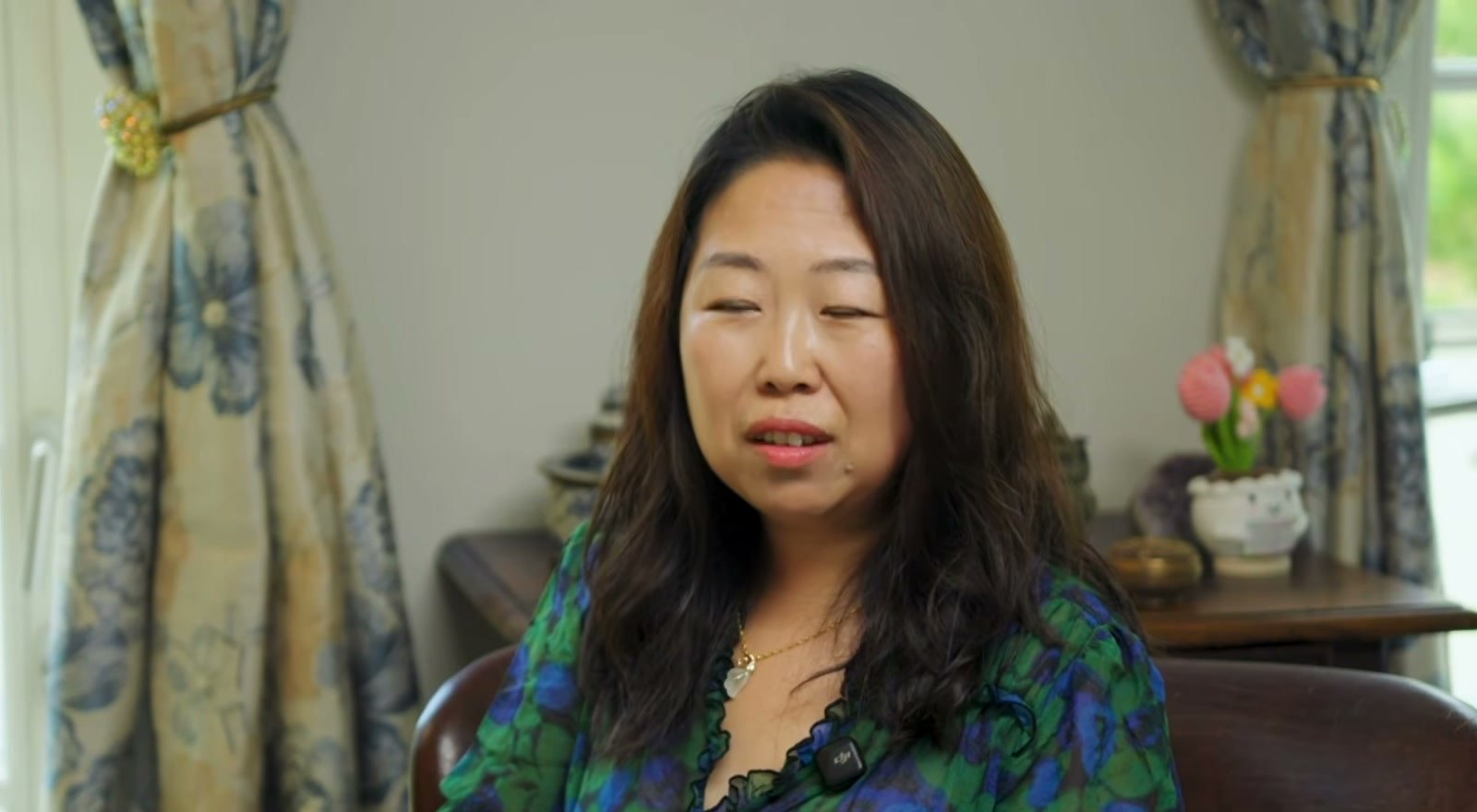
This guide is drawn from four episodes of Jojo聊海外, Jojo's Chinese-language interview show: insurance adviser Chris Hughes on the NHS and private medical insurance; Zilin (子林), founder of Maide Medical (脉德医疗), on the difficulties Chinese people face getting medical care in the UK; breast cancer survivor Meihan (美含) on her diagnosis and treatment; and Yujiaolong (玉佼龙) on suing the NHS after her husband's meningitis diagnosis was delayed. Everything below reflects the guests' personal experiences and views; for your own situation, please consult a doctor, insurance adviser or solicitor.
Where the NHS is strong and where it struggles
The NHS is not truly free. Chris Hughes says the NHS is funded through taxes and contributions, and people coming to live in the UK must also pay a fee before they can use it (the video description calls it the Immigration Health Surcharge). So it is only "free at the point of use"; in essence it is cover you have already paid for.
Chris thinks the UK's emergency and primary care may be the best in the world. Jojo adds that long-term treatment is a weak point, and Chris explains why: the population is now double what it was when the NHS was founded and is still ageing, so the system is already stretched; serious illnesses such as cancer have plenty of resources, but waiting lists are long and the quality of service also depends on your postcode.
Chris Hughes · 1:51 ↗Jojo · 3:27 ↗Chris Hughes · 3:44 ↗Chris Hughes · 4:15 ↗Chris Hughes · 4:23 ↗
Within the NHS you have very little choice: GPs are allocated by address, and you cannot say "I'd like a different doctor" or "I want a second opinion". Chris compares it to China's public hospital system: if you want to choose your doctor or take a VIP route, you have to pay extra.
Chris Hughes · 5:07 ↗Chris Hughes · 5:39 ↗Chris Hughes · 5:56 ↗
Zilin's view is that the NHS directs its limited resources towards serious conditions, so treatment for major illness is free and of high quality, and cancer drugs costing thousands of pounds a dose can be used free of charge over the long term; but access is difficult for minor ailments or when the illness is unclear, and people often complain that minor problems turn into major ones.
Private health insurance: what you are buying and roughly what it costs
Chris repeatedly stresses that private health insurance is not a replacement for the NHS. The NHS is your most direct safety net; private insurance provides faster access, second opinions and preventive health management when something goes wrong, covering what the NHS cannot.
Chris Hughes · 2:15 ↗Chris Hughes · 2:18 ↗Chris Hughes · 2:41 ↗Chris Hughes · 2:45 ↗
Chris says basic private health insurance still relies on the NHS for primary care: you first have to book through a GP (which may take two or three days) or the insurer's English-language online platform, which many non-native English speakers find difficult. Basic policies generally exclude dental, prescriptions and a private GP, and mainly cover diagnosis, treatment and surgery.
Chris Hughes · 6:44 ↗Chris Hughes · 7:32 ↗Chris Hughes · 7:57 ↗Chris Hughes · 9:11 ↗
Prices vary widely: Chris says from about £80 to £700 per person per month. His reference prices: someone in their 40s living in central London pays from about £100 a month for a basic policy; an international student in their 20s about £50 a month; and premium student cover including a private GP and concierge service about £1,800 to £2,000 a year.
Chris Hughes · 8:54 ↗Chris Hughes · 10:39 ↗Chris Hughes · 10:57 ↗Chris Hughes · 11:13 ↗
Premium policies can add maternity, dental and preventive care, plus a concierge-style adviser who books appointments and finds second and third opinions for you. Chris's first piece of advice to everyone newly arrived in the UK is to work out what you need and what kind of peace of mind you want to buy.
Chris Hughes · 9:26 ↗Chris Hughes · 9:35 ↗Chris Hughes · 10:08 ↗
Employer insurance, maternity cover and old policies from China
Chris points out that private insurance provided by your employer does not necessarily cover your family; it depends on your role and how much the company spends on employee benefits, and is usually a lower-tier product. So some people opt out of their employer's cover because they need dental or maternity cover or are planning a family, and look for a better-suited plan.
Jojo · 13:28 ↗Chris Hughes · 13:35 ↗Chris Hughes · 13:47 ↗Chris Hughes · 13:52 ↗Chris Hughes · 14:09 ↗
Chris says the NHS covers childbirth, but which hospital you can go to depends on your address; if you live in East London, for example, your choice is limited. Private cover lets you choose your obstetrician, the doctor who delivers your baby and the hospital, reducing stress. He also says some premium maternity cover is not tied to a location, so you can give birth back in mainland China or Hong Kong.
Chris Hughes · 14:44 ↗Chris Hughes · 14:54 ↗Chris Hughes · 15:03 ↗Chris Hughes · 15:33 ↗Chris Hughes · 16:29 ↗
Jojo's parents in China bought critical illness insurance with an investment return. Chris's view is that such products mostly pay a one-off cash lump sum on diagnosis, up to a cap, whereas nobody knows how long cancer treatment will take or how much it will cost; and the investment element may not beat investing yourself. He does not advise hastily cancelling a policy held for many years, but before buying anything new you should understand what it actually covers.
Chris Hughes · 19:27 ↗Chris Hughes · 19:48 ↗Chris Hughes · 20:21 ↗Chris Hughes · 21:59 ↗Chris Hughes · 22:04 ↗
Chris mentions a friend of them both who had breast cancer and went to Germany for treatment, spending about £120,000 over three years, all paid by insurance. He also points out that health insurance, income protection (for when you cannot work) and life cover are three different products that should be understood separately.
Chris Hughes · 22:33 ↗Chris Hughes · 22:55 ↗Chris Hughes · 25:41 ↗Chris Hughes · 25:51 ↗
After a serious diagnosis: Meihan's experience
At 40, Meihan had a mammogram in Singapore; the result was "probably benign", and the doctor did not use the word cancer, only telling her to take it back to her GP in the UK. Her advice is that "probably benign" should not be dismissed lightly; as she understands it, the UK only offers this screening from age 50, which is why she chose to get checked in Singapore first.
A year later she felt a lump in her right breast, watched it for a month with no change and booked a GP appointment; the GP quickly referred her to the Churchill Hospital in Oxford for an ultrasound and mammogram, followed by a biopsy, and the results took about two weeks. She has a family history, so she was especially vigilant.
She ultimately returned to Singapore for treatment: first, the health insurance she had bought there years earlier came into its own (her understanding is that it only needs to be bought locally and can be used internationally); second, there are more Chinese-speaking doctors there, so she could understand her condition; and third, as a nurse she had seen a former colleague wait six to eight months, by which time the tumour had spread and she had to have chemotherapy before surgery.
Looking back, Meihan feels the worst mistake was letting fear stop her from searching for any information about it. She later realised she should have actively learnt about her subtype: hers is hormone receptor-positive, a relatively mild type with a standard international treatment protocol; her doctor also recommended genetic testing, which also has a bearing on whether her children need earlier screening.
Dealing with doctors: the right to be informed, communication and how the NHS works
After finishing treatment, Meihan returned to the UK and handed her Singapore treatment plan and reports over to the NHS, which took over her follow-up. Her anti-hormone therapy involves about five years of injections and ten years of tablets, plus annual check-ups, and she feels the NHS is very good on this: however expensive the drugs, they are free.
Meihan's experience is that what you tell the doctor affects which tests they order. With her nursing background, she knew to check herself first and what to say; people without a medical background find it much harder. When friends ask her, she advises them to see their GP first and ask for a referral to a specialist for tests.
Zilin had thyroid cancer surgery in China at 18, and neither she nor her family was told there were conservative and aggressive options. She says that in the UK adult patients must be told about their condition; she believes patients should make an informed decision after understanding the pros and cons, because in the end they are the ones who live with the consequences.
Many Chinese people feel that when a GP only suggests cooling measures for a child with a high fever lasting several days, they are not taking it seriously. Zilin explains that NHS clinical guidelines strongly oppose over-treatment, and antibiotics should not be prescribed without indications such as a blood test; if you want faster confirmation of a bacterial infection, private clinics can do an instant blood test, but they too must follow the guidelines.
When diagnosis is delayed: Yujiaolong's fight for redress
Yujiaolong's husband first had a violent cough; both his GP and Bupa prescribed antibiotics, which did not work, and later his headaches were so bad he was vomiting. On his first visit to A&E at Chelsea and Westminster it was treated as a bad cold; on the second, the A&E doctor suspected meningitis and admitted him for a lumbar puncture, but the next day a junior doctor discharged him with a "migraine".
Yujiaolong · 2:04 ↗Yujiaolong · 2:59 ↗Yujiaolong · 3:32 ↗Yujiaolong · 5:07 ↗
She paid privately to see a neurologist in Oxford, who considered the symptoms classic meningitis requiring a lumbar puncture and wrote a letter for her to take to the NHS. At the follow-up she showed the letter but was still refused, and the doctor noted on the system that they "didn't really trust NHS doctors"; after that, other hospitals also cited this as a reason for not referring him to neurology.
Yujiaolong · 8:14 ↗Yujiaolong · 8:55 ↗Yujiaolong · 10:20 ↗Yujiaolong · 13:40 ↗
What she regrets most is having been too calm and too concerned about saving face, and not standing her ground at the hospital to insist on a lumbar puncture. She says meningitis must be treated as quickly as possible; when she got the private doctor's letter it was only the second or third week of his illness, and she believes at least two to three weeks of the treatment window were lost.
Yujiaolong · 30:41 ↗Yujiaolong · 30:58 ↗Yujiaolong · 31:22 ↗
Her solicitor works on a no win no fee basis, and the claim is for at least £1 million, covering actual losses, loss of earnings and future care and medical needs; all the ambulance records have been kept. She attended a three-day inquest; after media coverage the hospital offered an out-of-court settlement, but a medical expert assessment is needed first, and the case is currently stuck on the cost of that assessment.
Yujiaolong · 42:29 ↗Yujiaolong · 43:45 ↗Yujiaolong · 44:45 ↗Yujiaolong · 42:41 ↗Yujiaolong · 43:09 ↗Yujiaolong · 43:25 ↗
FAQ
Is NHS treatment in the UK really free?
According to Chris Hughes, the NHS is "free at the point of use": it is funded by taxes, and visa holders have already paid a related fee when applying. Emergency care, primary care and treatment for serious illnesses such as cancer are free, and expensive long-term medication can be free too; but GP appointments for minor ailments are slow, A&E waits range from hours to a day, specialist appointments involve waiting, and you cannot choose your own doctor.
If you have the NHS, do you still need private health insurance in the UK?
Chris's view on the show is that private health insurance is not a replacement for the NHS, but provides faster access, second opinions and choice when something goes wrong. Whether to buy it depends on what you need, for example whether you want maternity cover or care about choosing your hospital and doctor. If you already have employer cover, check whether it covers your family. Please consult an insurance adviser for your specific situation.
Roughly how much does private health insurance cost for international students in the UK?
Chris's reference figures on the show: an international student in their 20s can get decent basic cover for about £50 a month, and a premium policy with a private GP and concierge-style adviser service costs about £1,800 to £2,000 a year. For an adult in their 40s living in central London, a basic policy starts from about £100 a month. Actual prices vary with age, location and level of cover.
What should you do if you find a breast lump in the UK?
Meihan's approach: after finding a lump, she watched it for a month with no change, then booked a GP appointment; the GP referred her to hospital for an ultrasound, mammogram and biopsy, with results in about two weeks. She advises women to see their GP first and ask for a referral to a specialist; those with a family history should be especially alert, and a "probably benign" result should not be dismissed lightly. Please follow your doctor's advice.
What can you do if the NHS misdiagnoses you or delays your treatment?
Yujiaolong's experience: keep all medical records, discharge letters, private doctors' opinions and ambulance records, and find a no win no fee clinical negligence solicitor, with the claim covering past, present and future losses. Her case first went through a three-day inquest, after which the hospital offered an out-of-court settlement, but a medical expert assessment is needed first. Every case is different, so please consult a specialist solicitor.